
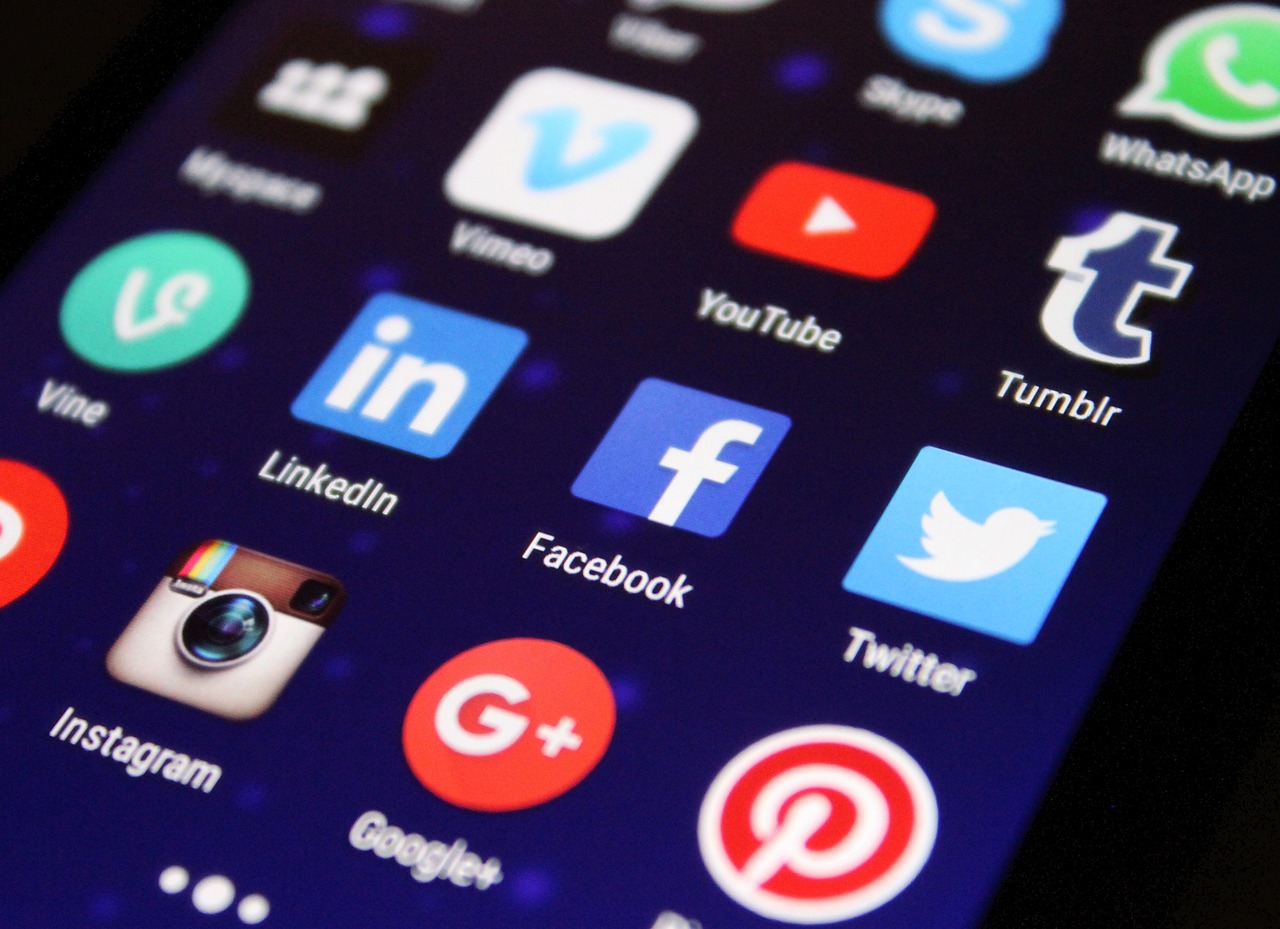
Digital marketing has become one of the most powerful tools for businesses, organizations, and individuals to connect with their target audiences. With the rise of the internet, smartphones, and social media, marketing has shifted from traditional methods like print or TV ads to online platforms that allow real-time interaction and measurable results. The uses of digital marketing are vast, and they extend to almost every industry today.
1. Brand Awareness
One of the primary uses of digital marketing is building brand awareness. Businesses can showcase their products and services to a large audience through social media platforms, search engines, and websites. Unlike traditional advertising, digital campaigns can target specific demographics, interests, and behaviors, ensuring that the right people see the brand message.
2. Customer Engagement
Digital marketing allows two-way communication between businesses and customers. Through platforms like Instagram, Facebook, or X (Twitter), companies can respond to customer questions, comments, and feedback instantly. This engagement fosters trust, builds relationships, and improves customer loyalty over time.
3. Cost-Effective Advertising
Compared to traditional media, digital marketing is far more cost-effective. Small businesses can run targeted ads on platforms like Google or Facebook with a limited budget while still reaching thousands of potential customers. This makes it an essential tool for startups and entrepreneurs who want maximum impact at minimal cost.
4. Measurable Results
Another major use of digital marketing is analytics. Platforms provide detailed insights into campaign performance, such as clicks, impressions, conversions, and return on investment (ROI). Businesses can track what works and adjust strategies quickly, something that was difficult with print or TV campaigns.
5. Lead Generation and Sales
Digital marketing plays a key role in generating leads and increasing sales. Through search engine optimization (SEO), pay-per-click (PPC) ads, and email campaigns, businesses can attract qualified leads who are actively searching for their products. This targeted approach boosts conversion rates and drives revenue.
6. Global Reach
Unlike traditional marketing limited to local or regional audiences, digital marketing provides global reach. A small business in one country can sell its products worldwide using e-commerce platforms, digital ads, and social media promotion. This global exposure opens up new markets and opportunities.
7. Personalization
Digital tools allow marketers to personalize content and offers based on user behavior. For example, an online store can recommend products to customers based on their browsing history or previous purchases. Personalized marketing increases relevance, improves customer satisfaction, and enhances the chance of repeat business.
8. Education and Awareness Campaigns
Digital marketing is not limited to businesses. Nonprofit organizations, governments, and educational institutions use it to spread awareness, share information, and encourage action. Campaigns about health, the environment, or social causes reach millions through online channels.
9. Competitive Advantage
In today’s digital-first world, companies that invest in digital marketing stay ahead of competitors. By analyzing competitor strategies, adopting new tools, and staying active online, businesses can capture more market share and remain relevant in rapidly changing industries.
Conclusion
The uses of digital marketing go beyond simple advertising. It is a versatile, measurable, and cost-efficient approach that helps businesses build awareness, engage with customers, generate sales, and expand globally. Whether for a small local shop or a multinational corporation, digital marketing has become an indispensable part of success in the modern marketplace.