
Social media has become one of the most powerful tools for businesses to connect with audiences, build brand awareness, and drive sales. To maximize its potential, companies and individuals need clear strategies and best practices. The following guidelines provide a framework for effective social media marketing.
1. Define Clear Goals
Before posting content, it is essential to understand what you want to achieve. Goals may include increasing brand visibility, driving website traffic, generating leads, or boosting customer engagement. SMART goals—specific, measurable, achievable, relevant, and time-bound—help guide efforts and measure success.
2. Know Your Audience
Every platform attracts a different demographic. For example, Instagram and TikTok are popular among younger audiences, while LinkedIn is geared toward professionals. Research your target audience’s interests, behaviors, and online habits. Create audience personas to guide tone, content type, and posting schedule.
3. Choose the Right Platforms
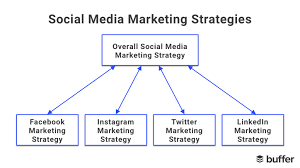
Not every brand needs to be active on all platforms. Select platforms that align with your goals and audience. A B2B company may focus on LinkedIn, while a lifestyle brand may thrive on Instagram and Pinterest. Quality engagement on fewer platforms is more effective than spreading resources too thin.
4. Create Valuable Content
Content is the foundation of social media marketing. Posts should be informative, entertaining, or inspirational, providing value to the audience. Use a mix of formats, such as images, videos, stories, live sessions, polls, and infographics. Ensure that branding elements—such as logos, colors, and tone of voice—are consistent across all posts.
5. Maintain Consistency
Consistency builds trust and recognition. Develop a content calendar to plan and schedule posts. Regular activity ensures that your audience remains engaged and helps platforms’ algorithms boost your visibility. However, balance quality with frequency—avoid posting just for the sake of activity.
6. Engage With Your Audience
Social media is a two-way communication channel. Respond promptly to comments, messages, and mentions. Show appreciation for positive feedback and address concerns respectfully. Engaging authentically builds stronger relationships and increases brand loyalty.
7. Use Paid Advertising Strategically
Organic reach is often limited. Paid campaigns on platforms like Facebook, Instagram, and LinkedIn can target specific demographics and behaviors, increasing visibility. Set budgets carefully, experiment with different ad formats, and track performance to optimize return on investment.
8. Monitor Analytics
Measure performance using built-in analytics tools. Key metrics include reach, impressions, engagement rate, click-through rate, and conversions. Regular analysis helps identify what works and what needs adjustment. Data-driven decisions lead to continuous improvement.
9. Follow Ethical and Legal Standards
Transparency is crucial. Disclose partnerships, sponsorships, and advertisements clearly. Avoid misleading claims, respect copyright laws, and protect customer data. Ethical practices strengthen credibility and prevent reputational damage.
10. Stay Updated With Trends
Social media evolves rapidly. Keep an eye on emerging platforms, trending content formats, and algorithm updates. Experiment with new features like reels, stories, and live streaming to stay relevant and ahead of competitors.
Conclusion
Effective social media marketing requires strategy, creativity, and consistency. By defining clear goals, knowing your audience, creating valuable content, and engaging authentically, businesses can harness the power of social media to build lasting relationships and drive growth. Following these guidelines ensures a professional, ethical, and impactful presence online.